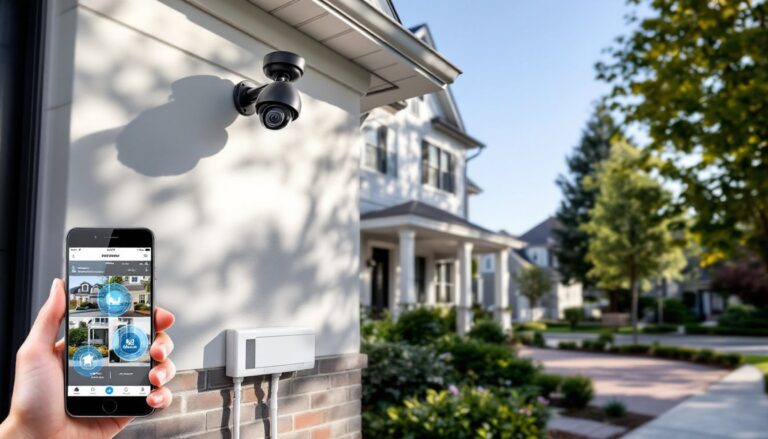
A typical security camera covers about 90 degrees of your property, good, but far from complete. Wide-angle security cameras extend that view to 120, 150, or even 180+ degrees, eliminating blind spots where trouble could hide. Whether you’re protecting your front porch, driveway, or backyard, a wider field of view means fewer cameras to monitor and install, cutting both cost and clutter. This guide walks you through what makes wide-angle cameras different, where they work best on your home, and how to install them yourself.
Table of Contents
ToggleKey Takeaways
- Wide-angle security cameras extend field of view to 120–180+ degrees, eliminating blind spots and reducing the need for multiple cameras on your property.
- A wide-angle security camera uses a shorter focal-length lens that captures 2–3 times more area than standard 60–90 degree models, making coverage simpler and more cost-effective.
- Mount wide-angle cameras at 6–10 feet high on front porches, driveways, or corner locations to maximize visibility of both approaching threats and entry points.
- Prioritize horizontal field of view specifications (not diagonal claims) and test actual night-vision performance before purchasing to ensure clear footage in your specific lighting conditions.
- Use stainless steel fasteners, seal connectors with silicone caulk, and run hardwired Cat6 Ethernet cables through conduit to prevent water intrusion and camera failure in outdoor installations.
- Check local permits and privacy laws before finalizing wide-angle camera placement to ensure your system complies with jurisdiction rules and doesn’t infringe on neighbor privacy.
What Makes Wide-Angle Security Cameras Different
A wide-angle security camera uses a shorter focal-length lens than standard models, which bends light rays outward to capture more area in a single shot. Think of it like replacing binoculars with a panoramic view, you sacrifice magnification for breadth.
Standard cameras typically sit at 60–90 degrees of horizontal field of view (FOV). Wide-angle models push into 120–180 degrees or beyond. Some use “fisheye” lenses, which curve the image noticeably but pack in almost everything in front of the lens. Others employ rectilinear wide-angle designs that minimize distortion, names you’ll see on specs but basically just mean the image looks less “stretched.”
The sensor and image processor matter too. A camera with a smaller sensor cramped into a wide-angle lens can produce grainy or distorted footage, especially at night. Higher-end models use larger sensors and better lens glass to keep image clarity sharp across the full field of view. When shopping, don’t just chase the biggest number: check sample footage and user reviews of actual night performance.
Key Advantages of Wide-Angle Lenses for Home Security
The main win with wide-angle cameras is coverage per unit. If a standard camera sees one section of your driveway, a wide-angle model sees the driveway, the side yard, and part of the street, all in one view. That means fewer cameras to buy, mount, and manage, which translates to lower upfront cost and less complex wiring.
Coverage gaps vanish. Burglars and intruders hunt for blind spots: wide-angle lenses shrink those opportunities dramatically. You also reduce the temptation to clutter your home with a dozen small cameras, one well-placed wide-angle unit often outperforms three narrow-view cameras.
Installation and maintenance get simpler. Fewer cameras mean fewer cable runs, fewer power supplies to hide, and fewer angles to adjust. If your system uses local recording or cloud storage, you’re handling fewer data streams, which can ease bandwidth concerns on slower internet connections.
Field of View Explained
Field of view is the angular area a camera can see, measured horizontally. A 90-degree FOV sees a square-ish zone about 8 feet across at 10 feet away. A 150-degree FOV (common in wide-angle models) widens that to roughly 16 feet across, double the real-world coverage.
FOV specs can be misleading. Manufacturers sometimes measure diagonally (corner-to-corner) instead of horizontally, inflating the number. Always look for the horizontal FOV, not the diagonal or diagonal equivalent rating. Digital zoom (cropping and enlarging the image) is not the same as optical zoom: wide-angle cameras typically lack optical zoom, so if you need close-up detail of a face or license plate, you’ll lose it in the wider view. That’s fine for detecting whether someone entered your property, but poor for identifying them later.
Best Locations to Install Wide-Angle Cameras in Your Home
Front entry and porch: This is the most-watched zone for package theft and break-in attempts. A wide-angle camera mounted 6–8 feet high catches approaching visitors, people lingering at the door, and anyone moving across the front yard. Position it slightly high and to one side to avoid glare from door lights.
Driveway and approach: Wide-angle lenses excel here. Mounted on a pole, garage soffit, or eave at 8–10 feet, one camera monitors the entire driveway, the street approach, and parked vehicles. You lose some facial detail compared to a narrow lens, but you gain continuity, watch someone approach from down the block, walk up the drive, and reach your door, all in one feed.
Backyard and side yards: Blind spots invite trouble. A single wide-angle camera mounted on a corner of the house or a detached structure (shed, garage) can cover most of a typical residential lot. This is especially valuable for properties with limited line of sight from the front.
Corner mounts are gold. If your house corner has unobstructed sightlines to two sides, corner mounting covers front and side simultaneously. Make sure the camera is weatherproofed if it’ll face driving rain, check the IP rating (IP65 and higher are suitable for outdoor installation).
Avoid mounting directly above motion lights or flood lights: glare will wash out the image. Also, trim any branches or shrubs that could block the lens over time.
Popular Wide-Angle Camera Features to Look For
Night vision and infrared: Most modern wide-angle cameras include infrared LEDs for night recording. Check the IR range, typically 20–40 feet for residential models. Test footage in your lighting conditions before buying: some cameras over-process the image, creating a grainy or hazy night view.
Resolution: 1080p (2MP) is the baseline: 2K and 4K options exist but consume more storage and bandwidth. For a wide-angle lens, 1080p is often sufficient because you’re trading magnification for breadth anyway. At distance, pixelation matters less than coverage.
Frame rate: 30 fps (frames per second) is standard. Some budget models cut to 15 fps, which looks choppy. Stick with 30 fps for fluid motion recording.
Weather resistance: Look for IP65 or higher ratings. IP66 and IP67 survive heavier rain and hose spray. If you’re in a coastal region or heavy snow area, bump up further.
Two-way audio and motion alerts: Two-way audio lets you talk through the camera. Motion alerts notify your phone when the sensor triggers, though wide-angle lenses sometimes generate false alerts from moving shadows or weather. Adjustable sensitivity helps here.
Many newer wide-angle models integrate with home security cameras ecosystems like Apple Home, Google Home, or Alexa. If you’re already in one ecosystem, buy accordingly to reduce juggling apps.
DIY Installation Tips for Wide-Angle Security Cameras
Pre-installation planning: Measure your target coverage area in the actual location, ideally at dusk or night when glare and shadows differ. Walk the sightlines yourself, checking for obstructions. Identify where power and network cables need to run, wireless is convenient, but hardwired cameras offer more reliability and consistent frame rates.
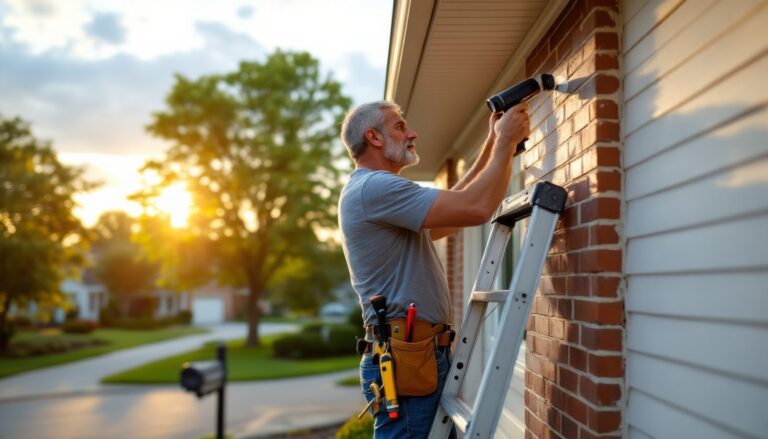
Mounting hardware: Use stainless steel or coated fasteners outdoors: plain steel will rust. Most wide-angle cameras ship with universal corner mounts. Ensure fasteners bite into solid substrate, wood studs, brick, or concrete, not just siding or trim. If fastening to composite siding, use backing plates to distribute load and prevent pull-through.
Cable runs: If hardwiring, run Cat6 Ethernet (for modern PoE, Power over Ethernet, models) or separate power and video cables. Keep runs away from high-voltage lines and conduit where possible. Use conduit where cables cross open areas or vulnerable spots. At the camera, seal the connector with silicone caulk or a wire seal cap to prevent water entry: water intrusion causes the #1 camera failure in wet climates.
Angle and height: Mount cameras at 6–10 feet high to balance coverage and tampering prevention (tall enough that someone can’t easily reach it, low enough to catch faces and details). Avoid pointing directly into reflective surfaces (windows, metal siding, car paint) that cause glare. Tilt down slightly (about 15–20 degrees) for better foreground detail: straight-level or tilted up wastes coverage on sky or roof.
Night performance test: Once installed, record at night. Check for glare from nearby lights, motion blur from wind-blown branches, and infrared wash-out. Adjust positioning and camera settings (frame rate, exposure) if needed before finalizing installation.
Local permits and laws: Some jurisdictions require permits for outdoor security systems, especially hardwired installations. Check your local building department and HOA rules. Also, confirm that your camera doesn’t point directly into a neighbor’s window or yard in a way that violates privacy laws, angle it toward your own property.
Most DIYers can handle mounting and basic wiring. If you’re unsure about electrical work or need to run cables through walls, call a licensed electrician: it’s faster and safer than guessing.
Conclusion
Wide-angle security cameras eliminate coverage gaps and simplify installation compared to multi-camera setups. Focus on honest specs (horizontal FOV, real night-vision range), quality sensor and lens, and proper mounting to get years of reliable footage. Check security cameras for home options and best home security camera reviews for brand comparisons. With thoughtful placement and a half-day of work, you’ll have better visibility and peace of mind, no contractor required.