Setting up home security doesn’t require hiring expensive professionals or very costly. Hikvision security cameras have become a go-to choice for homeowners who want reliable, straightforward protection without the complexity. Whether you’re monitoring a front entryway, keeping tabs on a backyard, or setting up a multi-camera system, understanding what Hikvision offers helps you make confident decisions. This guide walks you through the essentials, from why these cameras matter to picking the right model and getting it running in your home.
Table of Contents
ToggleKey Takeaways
- Hikvision security cameras combine durability, image quality, and ease of use while supporting local storage and flexible wired or wireless installation without forcing costly proprietary cloud subscriptions.
- 4K resolution and smart motion detection with customizable zones are core features that distinguish Hikvision cameras, enabling clear facial identification and reducing false alarms from environmental noise.
- Proper installation planning—measuring cable runs, locating studs, and considering power placement—is critical for reliable performance, and a second person during setup significantly improves camera positioning and focus accuracy.
- Choose between bullet cameras for long-distance monitoring like driveways and turret cameras for medium-range coverage on patios and entryways, balancing resolution needs with your actual budget and property size.
- A complete Hikvision system built on an 8 or 16-channel NVR with adequate storage (4TB or larger) and PoE connectivity scales easily as you add cameras and provides secure mobile access with proper password and firmware management.
Why Hikvision Cameras Stand Out for Home Security
Hikvision has built a reputation as a trusted name in surveillance for good reason. The company manufactures cameras that balance durability, image quality, and ease of use, three things that matter most when you’re protecting your own home. Unlike some competitors that prioritize cutting-edge features over practical reliability, Hikvision tends to deliver steady performance without unnecessary complexity.
One key advantage is their focus on local storage and compatibility. Many Hikvision cameras work with standard NVR (Network Video Recorder) systems and don’t force you into proprietary cloud subscriptions if you prefer on-site recording. This means your footage stays in your control, and you’re not locked into ongoing service fees that drain your wallet. Homeowners also appreciate that Hikvision cameras integrate well with both wired and wireless setups, giving you flexibility as your system grows.
Another reason Hikvision stands out is customer support and parts availability. When something fails, a power supply, a cable, or even the camera itself, you can usually find replacements without waiting weeks or paying premium prices. That practical availability matters when you’re managing your own security setup.
Key Features That Make Hikvision a Popular Choice
Hikvision’s lineup includes dozens of models, but most share a core set of capabilities that homeowners value. Understanding these features helps you decide whether a particular camera fits your needs and budget.
4K Resolution and Night Vision Capabilities
Many Hikvision cameras come with 4K resolution (3840 × 2160 pixels), which captures detail that older 1080p or 2K models simply can’t match. When you’re trying to identify a visitor’s face or read a license plate, that extra clarity pays dividends. The resolution difference sounds technical, but in practice it means the difference between a blurry figure and clear evidence.
Night vision is equally important, especially if you’re monitoring outdoor areas. Hikvision uses infrared LED technology (typically 30–50 meters of range, depending on the model) to see in complete darkness without casting obvious red light that attracts attention. Some premium models add Smart IR, which adjusts the infrared intensity based on distance, reducing washed-out footage when objects are very close. Cold climates can affect infrared effectiveness, so if you live somewhere with heavy frost or snow, clarify the specs before buying.
Smart Motion Detection and Alerts
Motion detection sounds simple, but cheap sensors trigger constantly from shadows, insects, or wind-blown leaves, and you’ll ignore alerts after the hundredth false alarm. Hikvision uses algorithm-based motion detection that distinguishes between genuine activity (a person walking, a car pulling in) and environmental noise. Some cameras also include human and vehicle detection, which filters alerts so you only get notified when something that matters actually moves through the frame.
Alerts arrive through the Hikvision mobile app, email, or your NVR dashboard. You can set detection zones so the camera ignores motion in less important areas (like a tree branch moving) while focusing on your driveway or front step. This customization is what separates a useful system from one you’ll eventually ignore.
Installation Options for DIY Homeowners
Hikvision cameras come in two main flavors: wired systems and wireless models. Wired cameras require running Ethernet cable (typically Cat5e or Cat6) back to your NVR, which means drilling holes and routing cable through walls or along exterior trim. It’s not glamorous, but it’s reliable. Wireless models use your home Wi-Fi or a dedicated mesh network, making them easier to position and relocate.
For a wired install, basic prep is critical. Measure your run lengths, running 200 feet of cable from a camera to your DVR is different from 50 feet (longer runs need thicker gauge wire or powered injectors). Mark stud locations with a stud finder before drilling to avoid electrical lines and plumbing. Use outdoor-rated cable conduit to protect exposed runs from UV and weather damage.
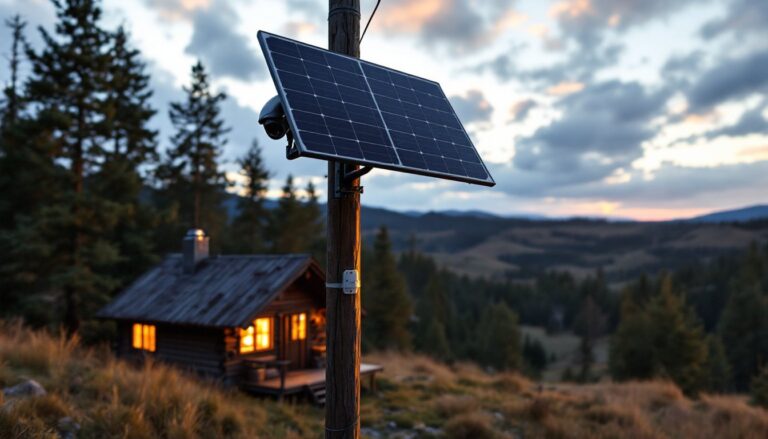
Wireless installations skip the cable headache but demand a strong Wi-Fi signal. A camera 60 feet from your router through two walls may struggle. Some homeowners add a mesh Wi-Fi node near their outdoor camera to maintain stable connection. Power remains an issue, wireless cameras still need electricity, so you’ll run a power cord or rely on solar panels (which add cost but eliminate cord management).
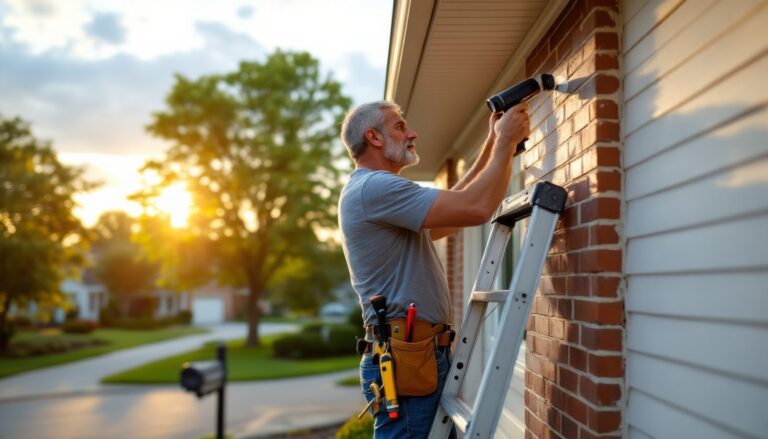
Most homeowners benefit from a second person during installation. One holds the camera steady while the other verifies the view angle, focuses the lens, and tightens hardware. Safety glasses and work gloves are standard PPE for this job. If your camera bracket requires anchoring into brick or stucco, a masonry bit and concrete anchors beat cross-threaded plastic anchors every time.
Choosing the Right Hikvision Camera for Your Home
Hikvision’s catalog is deep, and picking the right model starts with honesty about your actual needs. Ask yourself: What are you actually protecting? A driveway camera does different work than a porch camera or an interior garage monitor.
Bullet cameras (cylindrical, pointed forward) excel at long-distance monitoring, driveways, perimeter fencing, parking areas. They typically mount high on eaves or poles and have a narrow field of view, good for spotting activity far away. Turret cameras (dome-shaped, sit on a base) work better for medium-range coverage, patios, entryways, side yards. They’re less obtrusive and handle glare better because the dome diffuses light more evenly.
Resolution matters, but so does your budget. A 2K (2560 × 1440) model costs significantly less than 4K but still captures enough detail for most home-security tasks. If you’re monitoring a large property or need to zoom in digitally without losing clarity, spring for 4K. If you’re watching a 20-foot-wide entrance, 2K is sufficient.
Night vision range is often overstated in specs. Hikvision typically quotes infrared range as “full illumination at X meters,” which means faces are recognizable at that distance. Beyond it, you see movement and shapes but lose facial detail. For most home applications, 30–40 meters is plenty. Also consider lens focal length: a 2.8mm lens gives wide coverage (good for patios), while a 4mm or 6mm lens narrows the view for distant detail (useful for driveways). Product reviews from CNET often test these differences in real conditions, so checking independent reviews before committing helps. Recent home security camera guides provide side-by-side feature comparisons and practical setup tips tailored to homeowners.
Integrating Hikvision into Your Home Security System
A single camera is a start, but a full system, multiple cameras feeding into one NVR with mobile app access and cloud backup, is where real security lives. Hikvision systems scale well: you might start with two cameras and add two more a year later without compatibility headaches.
The backbone is your NVR (or DVR for analog cameras). Most homeowners choose an 8-channel or 16-channel NVR to allow room for growth. Storage capacity is critical and often overlooked. Four 4K cameras recording 24/7 will fill a 2TB hard drive in about two weeks. Do the math for your actual recording needs, how many cameras, at what resolution, recording constantly or only when motion is detected. Budget storage accordingly: a 4TB or larger drive is standard for any system you plan to keep.
Network setup is where DIYers sometimes stumble. Your cameras need reliable power and network connectivity. A PoE (Power over Ethernet) injector or PoE switch simplifies wiring by sending power and data down a single Ethernet cable. If you’re running multiple cameras, a PoE+ switch is cheaper and cleaner than separate power adapters scattered around your property.
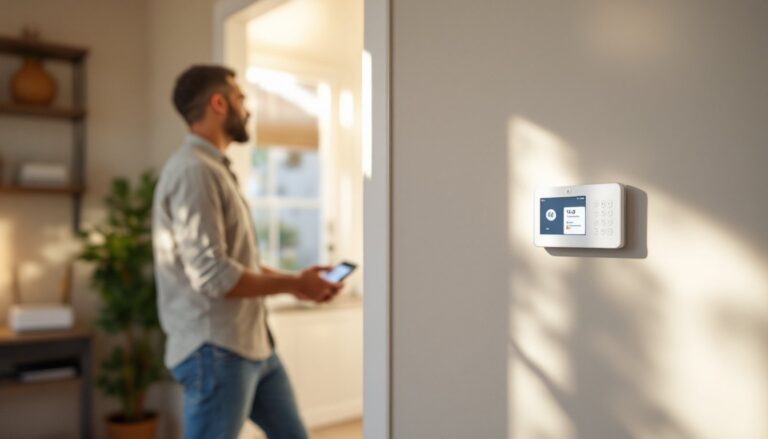
Mobile access requires your NVR to have a public IP address or dynamic DNS configuration. This sounds technical, but most Hikvision NVRs handle it automatically, you create a Hikvision account, add your device, and view live feeds from your phone. Security best practice: use a strong, unique password (16+ characters, mixed case and numbers) for your NVR account. Update firmware regularly when Hikvision releases patches. Resources like Today’s Homeowner offer step-by-step guidance on setting up NVRs and configuring remote access safely.