
When it comes to home improvement, tile installation is like the cherry on top of a sundae—unexpectedly delightful and crucial for that polished finish. Whether it’s a kitchen makeover or a bathroom upgrade, the right tiles can transform a space from drab to fab faster than you can say “grout.” But before diving in, it’s essential to know what you’re getting into.
Overview of Tile Installation
Tile installation plays a vital role in enhancing interior and exterior spaces. Various types of tiles, including ceramic, porcelain, and stone, offer different benefits that cater to specific needs. Selection influences aesthetics, durability, and maintenance.
Preparation serves as a crucial step in the installation process. Proper surface cleaning ensures adhesion, while measuring space guarantees the best fit. Tools, such as trowels and spacers, contribute to uniformity and alignment throughout the installation.
Adhesives are essential for secure placement. Thin-set mortar works well for most tile types, while epoxy may be necessary for areas exposed to moisture. Following manufacturer instructions leads to optimal results.
The installation method varies based on the tile type. Dry-lay techniques allow for adjustments before setting tiles permanently. Grouting fills the spaces between tiles, providing a polished look and preventing debris accumulation.
Post-installation care enhances longevity. Sealing natural stones prevents staining, while regular cleaning maintains appearance. Understanding the tiles’ characteristics leads to informed maintenance practices, improving durability.
Consulting professionals may simplify complex projects. Their expertise ensures precise measurements and efficient installation, reducing mistakes. Homeowners often benefit from professional advice on design choices and material selection.
Preventing common pitfalls, such as improper subfloor preparation or inadequate adhesive, saves time and money. Managing expectations and having a clear plan are vital to a successful tile installation project.
Types of Tiles
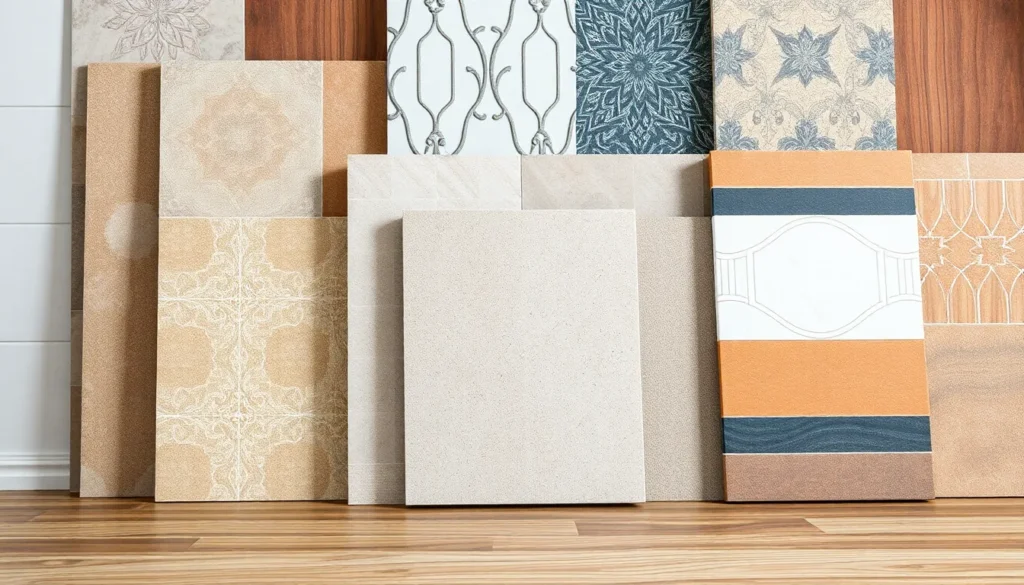
Tile selection significantly influences both aesthetics and functionality in any installation project. Various types of tiles cater to different needs, ensuring optimal performance across diverse environments.
Ceramic Tiles
Ceramic tiles are a popular choice for residential and commercial spaces. They come in various colors and designs, offering flexibility in decor. Unlike other types, ceramic tiles are moisture-resistant, making them ideal for kitchens and bathrooms. Maintenance remains simple; regular cleaning suffices for upkeep. For flooring, ceramic tiles provide durability, standing up well against everyday wear.
Porcelain Tiles
Porcelain tiles boast a dense and durable composition. Often regarded as a superior alternative to ceramic, they resist scratches and stains exceptionally well. Porcelain tiles adapt seamlessly to both indoor and outdoor settings, ensuring versatility in application. Heat resistance allows them to withstand temperatures, making them suitable for kitchens. Their low water absorption rate promotes longevity, reducing the risk of damage.
Natural Stone Tiles
Natural stone tiles, including marble, granite, and slate, exude luxury and sophistication. Each tile has a unique appearance, bringing character to spaces. Stone tiles require regular sealing to maintain beauty and prevent stains. Despite their higher maintenance, they offer unmatched durability and can last for decades. Ideal for outdoor areas, stone tiles withstand harsh weather conditions effectively.
Tools and Materials Needed
Tile installation requires specific tools and materials for an effective and durable outcome. Ensuring the right items are on hand simplifies the installation process.
Essential Tools
Essential tools include a tile cutter or wet saw for precise cuts, ensuring tiles fit perfectly. A notched trowel aids in applying adhesive evenly, promoting secure bonding. Tile spacers help maintain consistent gaps between tiles, resulting in a polished appearance. Grout floats facilitate the even application of grout into gaps. A level ensures tiles are aligned correctly, preventing uneven surfaces. Lastly, safety gear like gloves and goggles protects during the installation.
Recommended Adhesives and Grouts
Recommended adhesives include thin-set mortar, suitable for most types of tiles, as it provides strong bonding capabilities. Epoxy adhesive shines in moisture-prone areas, ensuring durability and resistance to stains. Grouts come in various options, with unsanded grout ideal for narrow joints, while sanded grout works best for wider gaps. Selecting the correct grout enhances the overall look and longevity of the installation. It’s necessary to adhere to manufacturer’s recommendations for optimal performance and compatibility with tile materials.
Step-by-Step Tile Installation Process
Tile installation requires attention to detail. Proper steps ensure a successful project.
Preparing the Surface
Preparation plays a crucial role in tile installation. Clean surfaces eliminate dust and debris. Inspecting for damage guarantees a solid foundation, while leveling the floor prevents uneven tiles. If necessary, patching holes ensures a smooth surface. Taking accurate measurements aids in proper tile layout, leading to a more uniform appearance. Utilize a self-leveling compound for best results on uneven areas. This effort in preparation sets the stage for a flawless tile installation.
Laying the Tiles
Laying tiles demands careful execution. Begin by spreading adhesive evenly with a notched trowel. Position the first tile at a defined corner, ensuring proper alignment with spacers. Press down firmly to create a strong bond with the adhesive. Continue laying tiles row by row, consistently checking for alignment and levelness. Adjustments made during this process minimize future issues. Completing the layout involves cutting tiles to fit edges or corners with a tile cutter or wet saw. This meticulous approach results in a stunning final appearance.
Grouting and Finishing Touches
Grouting contributes to the overall look and durability of the tile installation. Once tiles are set, wait for the adhesive to cure, typically 24 hours, before applying grout. Mixing grout according to manufacturer instructions ensures optimal performance. Use a grout float to spread grout evenly into the spaces between tiles. After allowing the grout to set for a short period, wipe excess grout from the tile surface with a damp sponge. Lastly, sealing the grout provides additional protection against moisture and stains. These finishing touches enhance both aesthetics and longevity.
Advantages of Professional Tile Installation
Professional tile installation offers numerous benefits that enhance the overall quality and appearance of a space. Expertise plays a pivotal role in achieving flawless results. Professionals possess the skills and experience necessary to navigate complex installation challenges, ensuring seamless execution.
Precision is another significant advantage. Experts make accurate measurements and cuts, minimizing waste and errors. Moreover, they utilize industry-standard tools and techniques that may not be accessible to DIY enthusiasts, guaranteeing efficient and timely completion.
Aesthetic appeal is greatly enhanced through professional installation. Careful tile placement ensures uniform spacing and alignment, providing a polished look. Professionals understand design principles, offering advice on tile selection and layout that aligns with the homeowner’s vision.
Time-saving is also a crucial aspect. Professional installers complete projects in a fraction of the time it takes for individuals to tackle installations themselves. As a result, homeowners enjoy their new spaces sooner without compromising quality.
Additionally, warranty coverage often accompanies professional services. Many reputable firms offer warranties on both materials and labor, providing peace of mind. Homeowners can rest assured knowing that any potential issues will be addressed without incurring extra costs.
Safety concerns should not be overlooked. Professionals follow safety protocols to mitigate risks associated with tile installation. This approach reduces the likelihood of injuries related to heavy materials and hazardous tools.
Cost-effectiveness emerges when considering long-term value. Although initial expenses may seem higher, the longevity and quality of a professionally installed tile often result in lower maintenance costs. Investing in expert services translates to durable installations that withstand the test of time.
Common Mistakes to Avoid
Prioritizing preparation helps prevent many issues in tile installation. Skipping surface cleaning can lead to poor adhesion; dust and debris interfere with bonding. Incorrect measurements create significant placement problems, resulting in uneven tiles and wasted materials.
Failing to use the right tools often hampers efficiency. A notched trowel ensures even adhesive spread; without it, tiles may shift and misalign. Using improper adhesive can cause tiles to lift or crack, especially in moisture-prone areas. Always choose the recommended adhesive for the specific tile type.
Ignoring layout planning results in a disorganized appearance. Taking time to dry-lay tiles before installation allows for adjustments and ensures a pleasing design. When grouting, rushing the process can lead to uneven gaps; it’s essential to allow the adhesive to fully cure first.
Overlooking sealing for natural stone tiles can cause damage over time. Sealing protects against stains and moisture absorption, prolonging the tile’s life. Throughout installation, heeding manufacturer guidelines ensures optimal results and maintains warranty coverage.
Neglecting post-installation care affects the overall longevity of tiles. Regular cleaning with appropriate products preserves their appearance and durability. Heeding these common mistakes benefits any tile installation project, enhancing both aesthetics and functionality.
Tile installation is more than just a home improvement task; it’s an opportunity to transform spaces into stylish and functional areas. Choosing the right tiles and following proper installation techniques can lead to stunning results that enhance a home’s aesthetic appeal.
Taking the time to prepare adequately and understanding the tools and materials needed makes a significant difference in the outcome. Whether opting for a DIY approach or hiring professionals, attention to detail is crucial for achieving a polished finish.
Avoiding common mistakes and adhering to best practices ensures a successful installation that stands the test of time. With the right approach, tile installation can elevate any room, providing both beauty and durability for years to come.