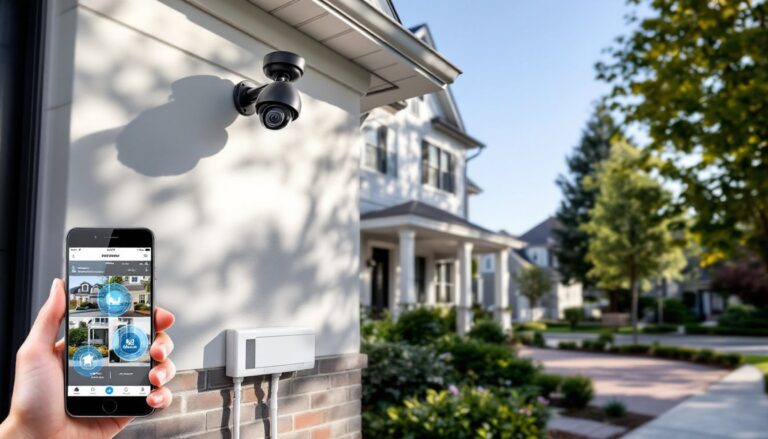
Home security isn’t a luxury anymore, it’s a practical investment that most homeowners seriously consider. If you’re evaluating a home security system for your house, one question dominates the conversation: how much does it actually cost? The answer isn’t as straightforward as plucking a single number from the internet. A home security system cost depends on whether you’re going the DIY route or hiring professionals, what equipment you need, which monitoring service you choose, and regional labor rates. In this guide, we’ll walk you through the real numbers for 2026 so you can budget accurately and make a decision that fits your home and wallet.
Table of Contents
ToggleKey Takeaways
- Home security system costs range from $300–$600 for basic DIY wireless systems to $800–$3,500 for complete professional installations, making upfront budgeting essential for homeowners.
- Monthly monitoring fees ($30–$50 for basic plans, $50–$100 for premium) become your largest expense over five years, so choosing between professional and self-monitoring significantly impacts long-term costs.
- DIY systems save installation labor ($500–$1,500) but require technical comfort, while professional installation offers expertise and peace of mind with proper sensor placement and building code compliance.
- Home size, entry points, geographic location, and existing smart-home equipment directly affect your total security system investment, with urban installations costing 20–40% more than rural areas.
- A phased approach—installing basic door and window sensors first, then adding cameras or smart locks later—spreads costs across multiple years and lets you avoid paying for unused premium features.
- Compare at least three installation quotes from local companies, national chains, and DIY options, and review contract terms carefully to avoid hidden fees and unexpected cancellation costs.
Average Home Security System Costs Breakdown
When homeowners ask about home security system costs, they’re really asking three related questions: what’s the upfront equipment investment, what does installation run, and what are the monthly fees? Right now, most homeowners spend between $800 and $3,500 on a complete system with professional installation. That’s a wide range because it covers everything from a basic door-and-window sensor package to a full monitored system with cameras, smart locks, and professional 24/7 monitoring.
The baseline for a DIY wireless system starts around $300–$600 for sensors, a hub, and basic smartphone control. Add a professional installation crew, and you’re looking at $1,200–$2,500 depending on your home’s size and complexity. Monthly monitoring fees sit around $30–$50 for basic plans, though premium options with professional response or additional features can climb to $60–$100 per month.
Breaking it down further: equipment typically runs 40–50% of your total first-year cost, installation takes 30–40%, and the remainder goes to your first year of monitoring. If you’re planning five years ahead (a reasonable planning window), monthly fees become the largest expense overall.
Equipment And Installation Expenses
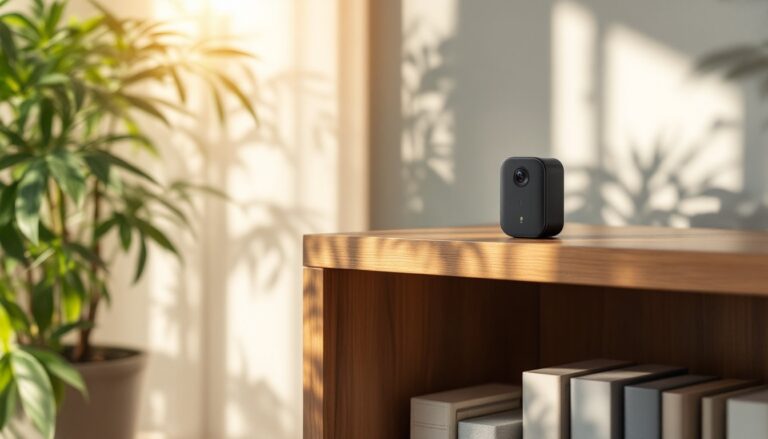
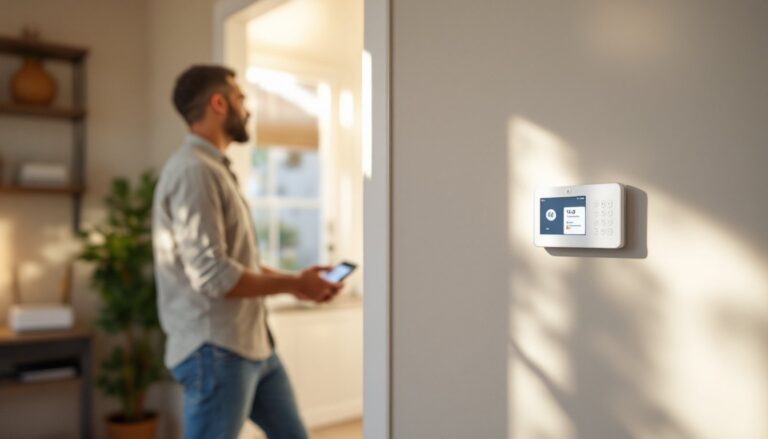
Equipment costs vary dramatically based on what you actually want to protect and how you want to monitor it. A basic wireless door and window sensor kit runs $200–$400 and includes a hub, 3–6 sensors, and smartphone app control. Adding a video camera bumps costs by $150–$400 per unit, depending on whether you want cloud storage and high-resolution recording. A professional-grade system with multiple cameras, motion detectors, glass-break sensors, and a sophisticated control panel can easily hit $2,000–$3,000 before installation.
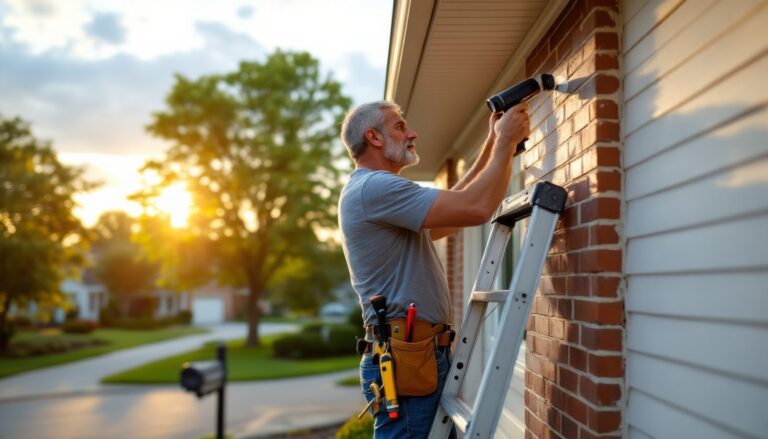
Installation where professional crews handle everything, drilling holes, running wiring (if hardwired), configuring the system, setting up your mobile app, and explaining how to use it, typically costs $500–$1,500. That depends on whether your system is wireless (simpler, cheaper) or hardwired (more complex, costlier). Labor rates also vary by region: installing a system in a rural area often costs less than in a major metro area.
DIY System Costs Versus Professional Installation
Here’s the honest breakdown: DIY systems cost less upfront but demand your time and technical comfort. You’ll save the installation labor (that $500–$1,500), though you might spend time troubleshooting connectivity, sensor placement, or app setup. Many DIY platforms like Ring, SimpliSafe, or Wyze offer free professional monitoring too, so you’re not forced into a contract. That appeals to renters or folks hesitant about long-term commitments.
Professional installation offers peace of mind and expertise. Contractors know building codes, proper sensor placement for maximum coverage, and how to integrate your system with your home’s existing wiring or smart-home setup. They also handle permits if your area requires them (some jurisdictions mandate professional installation for monitored systems). Wireless security systems offer a middle ground, lower installation costs because there’s minimal wiring involved.
Monitoring And Monthly Subscription Fees
Monthly monitoring is where the real long-term cost lives, and it’s often overlooked in initial budgeting. Most homeowners pay $30–$50 monthly for basic 24/7 professional monitoring and smartphone alerts. Premium tiers, which add features like professional dispatch to your address in an emergency, video recording storage, or integration with your smart home, run $50–$100 monthly.
There’s also the choice between professional monitoring and self-monitoring. Professional monitoring means a 24/7 call center contacts local police or fire if your system triggers. Self-monitoring relies on smartphone notifications and your response: you’ll call authorities yourself. Self-monitoring plans run $10–$30 monthly because the company has lower overhead. Over five years, that difference compounds: professional monitoring costs $1,800–$3,000 just in subscriptions, while self-monitoring runs $600–$1,800.
Many companies also lock you into 2–3 year contracts, which means early cancellation fees if you move or change your mind. Some newer providers offer month-to-month flexibility at a slightly higher monthly rate. Read the fine print carefully, hidden fees for equipment replacement, system upgrades, or service calls can add $100–$300 annually.
Factors That Impact Your Total Security System Investment
Your actual cost depends on several real-world variables. Home size matters: a 1,500-square-foot house needs fewer sensors than a 4,000-square-foot house, so equipment and labor scale accordingly. Number of entry points (doors, windows, garage doors) directly affects sensor count. A simple ranch with one entry might need 4–6 sensors, while a colonial with multiple levels and double-entry garage might need 12–15.
Your choice of monitoring service is huge. Local alarm companies often charge more than national providers like ADT Home Security, but they may offer personalized service and faster response. National chains negotiate lower monthly rates through volume. Geographic location also impacts labor: urban areas typically run 20–40% higher installation costs than rural or suburban regions. Some states or local codes require licensed contractors to install monitored systems, which limits your options and can increase costs.
The equipment ecosystem you already own matters too. If you’ve invested in smart-home gear, a system that integrates, like one that works with existing smart locks, thermostats, or lighting, might cost more upfront but provides better overall value and ease of use. Systems requiring proprietary equipment or subscriptions can lock you into one vendor long-term, which affects flexibility if you move or want to upgrade.
Ways To Save On Home Security System Expenses
Start with an honest assessment of what you actually need, not what marketing tells you to want. One or two security cameras focused on entry points do more good than four cameras covering your driveway. Most break-ins happen at doors or windows, not through walls, so prioritize those. Security system reviews help you identify which systems offer the best value for your specific needs rather than top-tier features you won’t use.
Consider a phased approach: install basic door and window sensors plus a hub ($300–$500) now, then add cameras or smart locks later as your budget allows. This spreads costs across multiple years and lets you learn what features you actually use before committing to premium services. Many companies offer system discounts if you bundle homeowners insurance, check with your insurer: you might see a 5–15% discount on your policy, which offsets some security costs.
Shop around for installation labor. Get quotes from at least three providers: a local alarm company, a national chain, and a DIY option with optional professional setup. Price isn’t the only factor, reputation, warranty, and local expertise matter, but comparing apples to apples (same equipment, same service level) reveals real savings. Looking at home security contracts before signing ensures you understand cancellation terms and hidden fees. Many homeowners also negotiate: if a company quotes $1,500 installation, ask if they’ll match a competitor’s $1,200 quote. You’d be surprised how often they will.
Conclusion
Home security system costs range from under $500 for basic DIY setups to over $3,500 for professional systems with cameras and 24/7 monitoring. Budget honestly for both upfront equipment and installation plus at least five years of monthly monitoring fees, that’s your real total investment. Compare security system comparison options carefully, understand contract terms, and don’t pay for features you won’t use. The best system for your home balances your security needs, budget, and willingness to handle DIY troubleshooting or pay professionals to handle everything. Start with a clear list of what you need to protect, get multiple quotes, and make your decision from there.