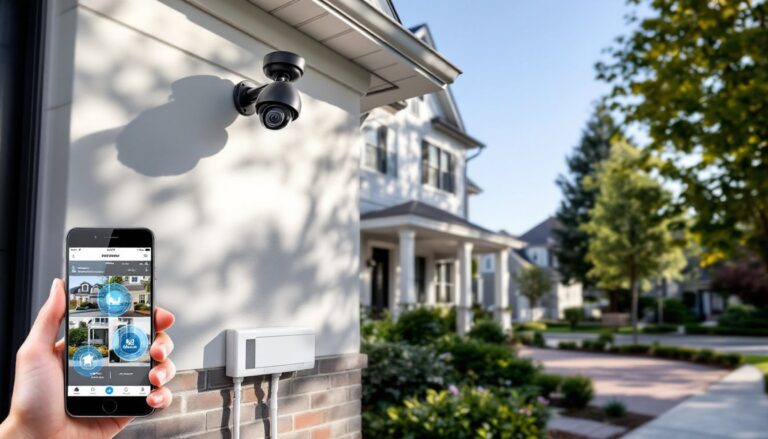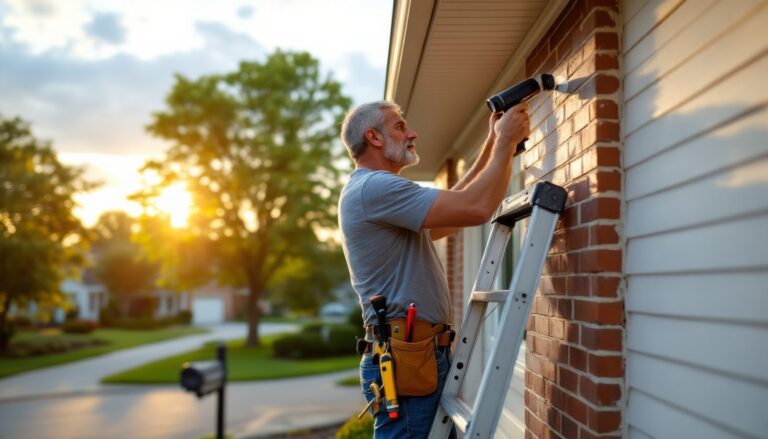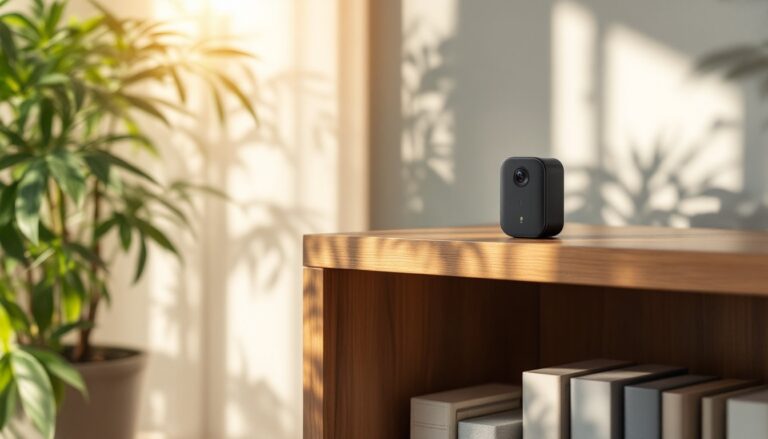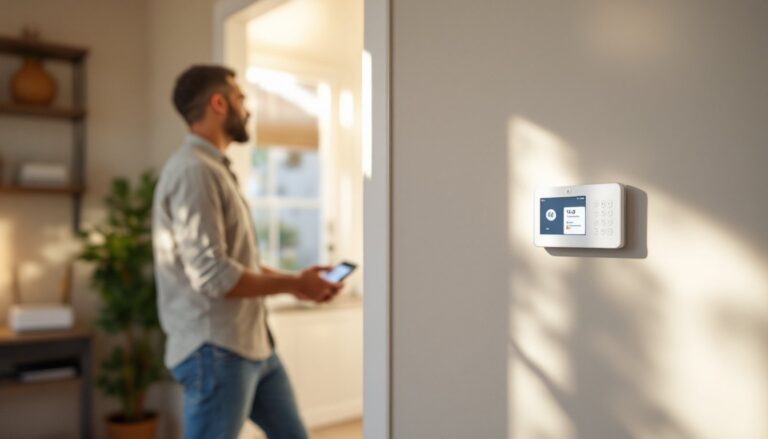
If you’ve ever stood in your driveway wondering whether someone’s been poking around your property, you know that sinking feeling. Security camera light bulbs combine surveillance and illumination into a single fixture, no new wiring, no permits, just a simple swap into existing sockets. They’ve matured quickly in 2026, offering solid video quality, motion detection, and mobile app control that actually work. For homeowners, they’re one of the easiest security upgrades to install yourself, and they integrate well with existing smart home setups. Whether you’re protecting a porch, driveway, or garage entry, these devices deserve a closer look.
Table of Contents
ToggleKey Takeaways
- Security camera light bulbs combine surveillance and illumination into one fixture that screws into existing E26 sockets, eliminating complex installation and wiring.
- These devices record in 1080p to 4K with 120–160-degree field of view, motion-triggered alerts, and storage via SD card or cloud subscription for $3–$10 monthly.
- Install a security camera light bulb by turning off power at the breaker, unscrewing the old bulb, and screwing in the camera bulb—no special tools or contractor needed.
- Ideal placements include front porches, driveways, and garage entries where you already have outdoor lighting; avoid dark corners, high-heat fixtures, and long-distance applications.
- Protect your privacy and comply with local laws by pointing cameras at your own property only, disabling audio recording in two-party consent states, and using strong passwords with two-factor authentication.
- At $30–$100 per bulb, security camera light bulbs are practical for renters and homeowners monitoring entryways, though they shouldn’t replace dedicated cameras for larger properties.
What Is a Security Camera Light Bulb?
A security camera light bulb is exactly what it sounds: a camera and light in one fixture. You screw it into a standard E26 or E27 socket (the common bulb base in North America), and you get both illumination and video recording. Unlike traditional security cameras that mount separately on eaves or corners, these bulbs live inside existing porch fixtures, outdoor sconces, or floodlight housings.
They record in color video, typically 1080p to 4K resolution, and store footage locally on an SD card or via cloud subscription. Most have a 120- to 160-degree field of view, which covers a decent swath of your entry or driveway. Motion detection triggers recording and often sends a push notification to your phone. Some models include two-way audio, so you can speak through the camera to delivery drivers or unexpected visitors.
The appeal is simplicity: no trenching cables, no new electrical circuits, no contractor visits. You turn off power at the breaker, unscrew the old bulb, and screw in the camera bulb. That’s installation for most homeowners.
How Security Camera Light Bulbs Work
Security camera light bulbs operate on WiFi, connecting to your home network through a smartphone app during setup. The bulb contains an LED light module, a camera sensor, a microprocessor, and a battery backup (in some models). When motion is detected, infrared sensors trigger the camera to record and log footage.
Videostreams to your phone in real-time if you open the app, or it records silently in the background. Storage depends on the model: some save locally to an SD card (typically up to 256GB, good for 3–7 days of continuous recording), while others push footage to cloud storage via a monthly subscription ($3–$10).
Power comes directly from your light fixture, so there’s no battery to charge on most wired models. Some newer designs include a rechargeable battery for occasional outdoor fixtures that aren’t always powered.
Key Features to Look For
When you’re comparing models, focus on these specifics:
Resolution: 1080p is standard and adequate for identifying faces and objects from 10–15 feet away. 2K or 4K is overkill for a porch light, eats more storage, and slows app responsiveness: skip it unless you’re recording a 40-foot driveway.
Night Vision: Infrared (IR) night mode is essential. Look for models with 850nm or 940nm IR wavelength, both work well. Test reviews confirm actual nighttime clarity: marketing photos lie.
Field of View: 110–130 degrees covers a standard porch width. Anything under 100 degrees misses side approaches: anything over 160 degrees introduces fish-eye distortion.
Motion Detection Sensitivity: Adjustable thresholds matter. You want to catch intruders, not trigger alerts every time the wind moves a branch. Look for models with adjustable sensitivity zones.
Audio: Two-way audio (microphone and speaker) is nice if you want to deter package thieves in real-time. Not essential, but useful.
Brightness: Most security camera bulbs output 400–600 lumens, equivalent to a standard 40-watt incandescent bulb. That’s modest for a driveway: pair them with additional fixture bulbs if you need more light.
Installation and Setup for Homeowners
Installation is straightforward but requires a few precautions. Before you start, read the manual for your specific model, wattage limits and socket compatibility vary.
Safety First: Turn off power to the fixture at the breaker. Test the fixture with a voltage tester to confirm it’s dead. Do not skip this step: live electrical sockets are dangerous.
Socket Compatibility: Confirm the fixture uses a standard E26 socket. Most US fixtures do, but some decorative sockets use E12 (candelabra). If you’re unsure, check the old bulb’s base or the fixture’s manual.
Weight Check: Security camera bulbs are heavier than regular bulbs (typically 200–350 grams vs. 40 grams). Older, fragile socket springs may not hold the weight. If the bulb feels loose after installation, it’s not compatible: try a different fixture.
Installation Steps:
- Turn off power at the breaker and verify with a voltage tester.
- Unscrew the old bulb by turning counterclockwise.
- Screw the security bulb clockwise until snug. Do not overtighten: snug is enough.
- Restore power and wait 30–60 seconds for the bulb to boot up (usually indicated by a blue LED blinking).
- Download the app (manufacturer-specific), create an account, and add the bulb via WiFi pairing.
- Follow the in-app wizard to name the camera, set motion sensitivity, and choose storage options.
WiFi and Range: Position your router within 30–40 feet of the bulb (through walls). A weak connection means dropped recordings and slow app loading. If your outdoor socket is far from WiFi, a mesh WiFi system or range extender might be necessary.
Dimming and Switches: Most security camera bulbs work fine on standard switches, but avoid smart dimmers or 3-way switch setups. Dimmer switches can reduce bulb lifespan or cause flickering. If your fixture has a dimmer, either disable the dimming feature or replace the dimmer with a standard on/off switch.
Best Use Cases Around Your Home
Security camera light bulbs shine (literally) in specific spots. They work best where two conditions align: you already have outdoor lighting, and you want discreet recording.
Front Porch and Entryway: This is the classic deployment. A porch sconce or fixture already lights your front door: swapping in a camera bulb adds video without new hardware. You’ll see delivery drivers, guests, and suspicious activity at eye level.
Driveway and Garage Entry: Mount one in a garage-mounted fixture or a driveway-facing soffit light. You’ll catch vehicles and people approaching, and night vision captures license plates from 20 feet away (useful if there’s vehicle prowling in your area).
Backyard Play Spaces: If you have young kids or allow neighborhood children to play, a camera in a back fixture deters troublemaking and provides accountability if accidents happen.
Outdoor Living Areas: A patio or deck fixture with a camera bulb lets you monitor the space when you’re inside, useful if you host gatherings and want to keep an eye on exits and shared items.
Where They Don’t Work Well:
Long Driveway Approaches: If your driveway is 50+ feet from the house, a single camera bulb won’t capture clear details that far away. You’ll need dedicated cameras or multiple bulbs.
High-Heat Fixtures: Overhang lights above heat-generating appliances (grills, outdoor heaters) can overheat the bulb’s electronics. Check the manual’s temperature rating (usually -20°C to 50°C ambient is safe).
Dark Exterior Corners: A camera bulb needs some illumination to work effectively. In a completely dark corner, the IR will be your only light source, and video will look grainy. Pair with a standard bulb, or avoid dark spots.
Security and Privacy Considerations
Security camera light bulbs record video continuously or on motion. That data is yours, but it’s worth thinking about carefully.
Local vs. Cloud Storage: Local SD card storage means your footage stays on the device and never leaves your home. No subscription, but if the bulb is stolen or fails, you lose footage. Cloud storage (via the manufacturer’s servers) survives a theft but requires a monthly fee and trust in the company’s data practices. Many homeowners use both: local for redundancy and cloud for backup.
Data Privacy: Read the privacy policy. Reputable brands (names in expert light bulb security camera reviews and recommended light bulb cameras for 2025) commit to not selling footage or user data. Shady brands mine your video for analytics or audio. Avoid models with unclear policies.
Audio Recording Laws: Recording audio (two-way talk, ambient sound) is heavily regulated. In two-party consent states (California, Florida, Pennsylvania, and others), everyone in the audio must consent to recording. Outdoor areas are usually exempt, but check your state law before enabling audio. When in doubt, disable the microphone.
Neighbor Awareness: Point your camera at your own property. If it aims into a neighbor’s window or back patio, you’re courting legal trouble and damaging relationships. Angle the bulb downward and inward: you don’t need a 160-degree field of view pointing sideways.
Theft and Tampering: If someone covers the bulb lens with paint, clay, or tape, it’s a hassle to fix (especially in a ceiling fixture). Some models alert you if the lens is obstructed: it’s a nice-to-have feature.
Password Security: Use a strong, unique password for the camera app account. Many IoT devices are hacked because of default or weak credentials. Enable two-factor authentication if available.
Conclusion
Security camera light bulbs are an underrated entry point into home surveillance. They cost $30–$100 each, require minimal installation, and work within existing fixtures. They’re not a replacement for dedicated security cameras on a larger home or property, but for renters, apartment dwellers, and homeowners looking to monitor entryways, they’re practical and genuinely useful. Start with one bulb on your most-visited entry point, your front porch or garage, and decide if additional coverage makes sense based on your peace of mind and actual property layout.