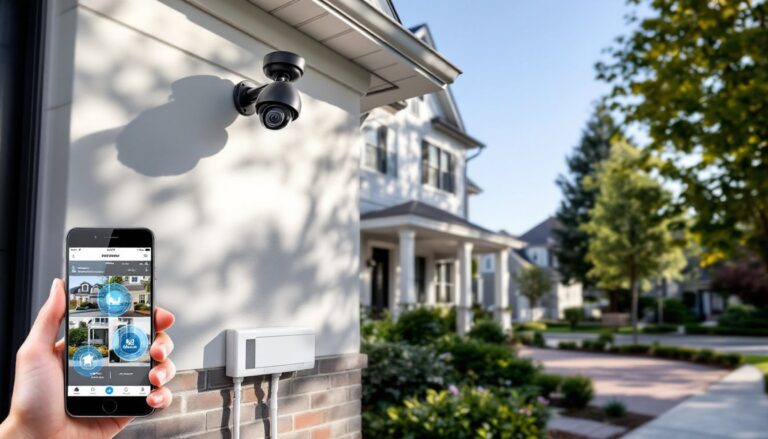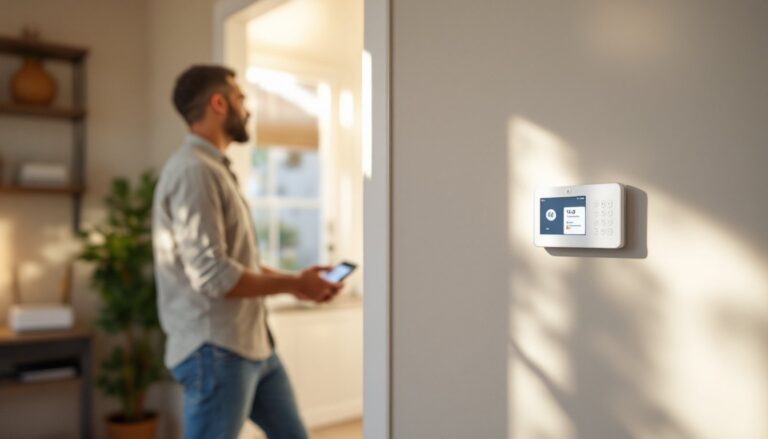
Surveillance doesn’t have to mean staring at a monitor all day. A good security camera system captures footage continuously, giving homeowners peace of mind whether they’re at work, on vacation, or sound asleep. The best security cameras for 24-hour recording balance affordability with reliability, handling storage demands without constant cloud subscriptions or expensive upgrades. This guide walks through what separates a capable 24-hour system from one that’ll frustrate you in month three, covering real performance needs, storage solutions, and straightforward installation tips for anyone tackling setup themselves.
Table of Contents
ToggleKey Takeaways
- The best security camera for 24-hour recording must balance affordability with reliability, handling continuous storage demands without expensive monthly subscriptions.
- 24-hour recording creates timestamped evidence that supports insurance claims, police investigations, and protects you against false liability claims from neighbors or service providers.
- Night vision with infrared capability (under 0.3 lux) and wide dynamic range technology are essential, as most suspicious activity occurs between dusk and dawn.
- A 1 TB external drive stores 8-12 months of single-camera footage; pair local storage with automatic backup scheduling to prevent data loss if your primary drive fails.
- Wired PoE (Power over Ethernet) cameras remain the gold standard for 24-hour systems, eliminating WiFi dead zones and bandwidth throttling common in continuous streaming.
- Mount cameras 8-12 feet high on property perimeters to capture faces at natural angles while minimizing tampering risk and coverage gaps that burglars exploit.
Why 24-Hour Recording Matters For Home Security
Most home break-ins happen during the day, burglars count on families being away at work or school. Continuous recording removes gaps in your coverage and creates liability for potential intruders. Rather than reviewing hours of footage after an incident, you’ll have clear documentation of exactly what happened and when.
Liability also favors you with 24-hour footage. Insurance companies investigate claims more thoroughly with timestamped visual evidence. Police solve cases faster. And if a neighbor’s delivery person cuts across your yard or an accident happens nearby, that continuous recording protects you against false claims.
Practically speaking, 24-hour systems also catch the unexpected. Package theft happens in seconds. Nuisance activity, kids testing your fence, animals damaging property, shows its patterns over time. You spot real patterns rather than relying on memory or assumptions. A best home security system leverages continuous recording as its foundation, not an afterthought.
Key Features To Look For In A 24-Hour Recording Camera
Night Vision And Low-Light Performance
Most burglaries and suspicious activity happen between dusk and dawn. A camera with poor night vision becomes useless exactly when you need it most. Look for infrared (IR) night vision that clearly captures faces and details from at least 15 to 20 feet away. Some cameras use passive infrared (PIR) sensors: others use active illumination (small LED lights).
Active IR lights work better in complete darkness but can spook intruders or neighbors. Passive IR preserves privacy. Check the lux rating, anything under 0.3 lux handles very low light. True night vision doesn’t mean grainy monochrome: decent cameras produce color-tinted night footage that’s legible in courts.
Wide dynamic range (WDR) or high dynamic range (HDR) also matters. These features balance bright and dark areas in the same frame, essential if your camera points at both a lit garage and dark tree line.
Storage Options And Reliability
24-hour recording generates 1 to 4 GB per day depending on resolution and compression. That’s roughly 30 to 120 GB monthly. You’ll need either local storage (SD card, hard drive, NAS) or cloud backup, ideally both.
Local storage keeps recordings private and doesn’t rely on internet speed. A 1 TB external drive stores about 8 to 12 months of single-camera footage. SD cards are cheaper upfront but slower and prone to corruption under constant writes. A network-attached storage (NAS) device costs more initially but handles multiple cameras and offers redundancy.
Cloud backup adds protection against theft or fire. Services like Amazon AWS or Google Cloud integrate with many systems, but monthly fees add up, sometimes $10 to $30 per camera monthly. The trade-off: no subscription means limited retrieval history if your local drive fails.
For true 24-hour reliability, invest in automatic backup scheduling. Cameras should overwrite oldest footage automatically, not stop recording when storage fills. Some offer redundant recording, the system writes to two drives simultaneously. This matters. You’ll regret cutting this corner.
Top Security Camera Options For Continuous Recording
Wired PoE (Power over Ethernet) cameras remain the gold standard for 24-hour systems. They draw power and transmit data through a single Cat6 Ethernet cable, so you’re not hunting for outlets or fighting WiFi dead zones. PoE cameras work reliably in basements, garages, or weatherproof enclosures where WiFi falters.
NVR (Network Video Recorder) systems pair multiple cameras to a single hard drive unit, then you access footage via local network or app. Popular NVR systems like Hikvision, Uniview, and Dahua handle 8, 16, or 32 cameras and store 1 to 4 TB of footage locally. They’re not glamorous, but they work. Setup requires running Ethernet and power, planning camera placement, and configuring the NVR interface, doable for handy homeowners, but phone support from the manufacturer helps when questions arise.
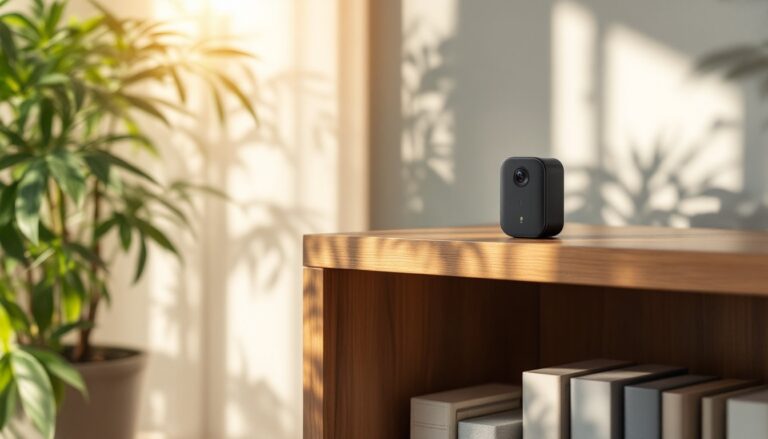
WiFi security cameras (like certain Wyze, Reolink, or Arlo models) offer simpler installation. Stick them on a shelf or mount with drywall anchors, point them, and configure the app. Many support microSD cards for local backup. The catch: continuous 24-hour WiFi streaming taxes your router and bandwidth. Read the fine print, some wifi cameras throttle resolution or drop frames under heavy load. If your internet caps at 25 Mbps, a WiFi system drains bandwidth faster than you’d expect.
Indoor/outdoor considerations matter too. Outdoor cameras need IP65 or IP66 weatherproofing ratings (meaning they resist dust and jets of water). Housings should drain properly, and cable runs should avoid pooling water. Interior cameras can be smaller and cheaper: exterior ones justify the premium for durability. According to security system reviews, mixed setups, PoE cameras on the perimeter, WiFi cameras indoors, offer the best of both. Review resources like Digital Trends’ security camera recommendations for current model testing.
Installation Tips For DIY Setup Success
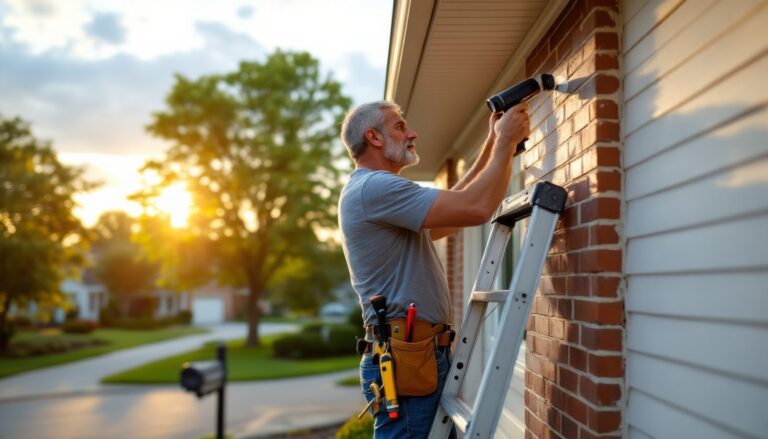
Before drilling holes or running cables, sketch your property and identify blind spots. Burglars exploit coverage gaps, corners, side yards, garage entries. You want overlapping fields of view, not redundant footage of the same driveway. Mount cameras 8 to 12 feet high (typically near soffits or under eaves) so they’re harder to tamper with and capture faces at natural angles.
For wired systems, run outdoor-rated Ethernet cable through conduit to protect against UV damage and rodents. Bury it underground if possible, or snap-clip it along fascia. Avoid long runs across open lawn where someone could trip. If you need cable runs exceeding 100 feet, use powered injectors or check voltage drop specs, longer distances lose signal.
Test camera angles before finalizing mounts. Adjust pan, tilt, and zoom so no streetlight glare or sunlight washes out the lens. This prevents the classic problem: a camera pointed at a sunset looks like a white blob. Adjustable mounts let you fine-tune aim after installation.
Power and storage setup depend on your camera type. NVR systems need a dedicated circuit (not shared with heavy-draw devices like refrigerators). Place the NVR in a secure closet or garage cabinet to protect it from theft or weather. Connect local backup drives and configure the system’s automatic retention schedule, usually 7, 14, or 30 days before overwriting old footage.
For WiFi cameras, ensure your router supports 5 GHz frequency and place it centrally if possible. 2.4 GHz WiFi travels farther but chokes under multiple simultaneous streams. Test upload/download speeds in each camera location before permanently mounting. A homeowner attempting this for the first time should budget a weekend and keep the manufacturer’s support number handy. Most questions resolve in 10 minutes with phone support.
Conclusion
24-hour recording isn’t a luxury, it’s the baseline for effective home surveillance. Smart storage, reliable night vision, and straightforward installation transform a camera system from a security theater prop into genuine protection. Whether you choose wired PoE, NVR, or WiFi depends on your property layout and comfort level, but the principle remains: uninterrupted footage, tested equipment, and honest assessment of your backup strategy. Start with one or two quality cameras, expand once you’re confident in the setup, and don’t skip the storage planning. That’s how a DIY security system stays reliable for years.