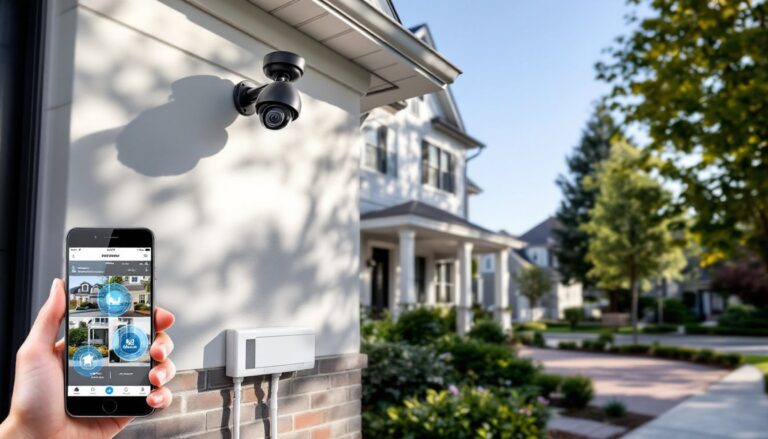
Solar cellular security cameras are becoming the go-to choice for homeowners who want reliable surveillance without running cables or dealing with power cords. These devices combine solar charging with cellular connectivity, eliminating the need for WiFi or hardwired power, a game-changer for remote corners of your property, rental units, or homes with spotty internet. Unlike traditional security cameras that depend on outlets or WiFi strength, a solar cellular camera sits independently and streams footage anywhere you have cell service. Whether you’re monitoring a driveway, backyard, or detached shed, this technology delivers peace of mind with genuine flexibility.
Table of Contents
ToggleKey Takeaways
- Solar cellular security cameras eliminate the need for WiFi, power outlets, or hardwired installation, making them ideal for remote property monitoring and rental units.
- These self-contained devices combine rechargeable lithium batteries (5,000–10,000 mAh) with integrated solar panels and cellular modems, requiring only a SIM card and minimal monthly data plan costs ($8–15).
- Proper placement is critical: position the solar panel facing south with no shade, confirm cellular signal strength beforehand, and mount the camera 8–10 feet high for optimal coverage and facial recognition.
- A solar cellular camera can sustain operation through cloudy periods by storing solar energy in its battery; northern homeowners should expect reduced winter efficiency but year-round functionality.
- Installation takes only 15–20 minutes and requires no IT expertise—simply mount the device, insert a SIM card, download the app, and configure motion detection settings for immediate live-view monitoring.
- When choosing a solar cellular security camera, prioritize 1080p resolution minimum, at least 15–30 feet of night vision range, multi-carrier eSIM compatibility, and sufficient battery-to-solar wattage ratio for your climate.
What Are Solar Cellular Security Cameras?
A solar cellular security camera is a self-contained surveillance device that runs on battery power recharged by an integrated solar panel and transmits video via cellular networks instead of WiFi. Think of it as a smartphone-grade security system, it has its own connection to the internet through a SIM card, not your home router.
These cameras typically feature a rechargeable lithium battery (usually 5,000–10,000 mAh capacity), a small crystalline solar panel mounted on top or to the side, and a cellular modem that operates on 4G LTE or 5G networks. The solar panel trickles charge during daylight, and the battery stores that energy for nighttime operation and cloudy days. Video is recorded locally on a microSD card or uploaded to cloud servers, depending on your plan.
The cellular connection means no WiFi dependency, you check your phone feed whether you’re at work across town or traveling abroad. Setup is straightforward: mount it, insert a SIM card with a data plan, and you’re live. No electrician, no cord running through walls, and no router complications.
Key Benefits for Homeowners
Independence from infrastructure is the top draw. You don’t need WiFi range, a nearby outlet, or a professional to run conduit. Renters especially appreciate solar cellular cameras because they’re truly removable and non-destructive.
Lower operating costs come from eliminating electricity bills for that camera. The solar panel handles charging: you only pay for a modest cellular data plan (typically $8–15 per month) and optional cloud recording. Zero hardwiring also means faster installation and no aesthetic cables running down siding or through windows.
These cameras excel at monitoring dead zones, far corners of your property, a detached garage, or a pond where WiFi doesn’t reach. They work year-round in most climates: northern homeowners should expect reduced charging efficiency in winter months, but the battery still powers the camera through shorter daylight hours. Vandalism resistance is another hidden benefit: without visible wires or power connections, a thief has fewer clues that the system is powered or how to disable it.
For renters or temporary placements, security cameras for home options abound, but solar cellular units stand out because you leave zero modification footprint.
How Solar Charging and Cellular Connectivity Work Together
The solar panel and cellular connection are separate systems that work in tandem. During daylight, the monocrystalline or polycrystalline solar cell converts sunlight into DC power, feeding it to a charge controller that manages voltage and current into the battery. On a clear day, a quality 2–4 watt solar panel can deliver 500–800 mAh of charge. Cloudy days and winter shorten this window, so the battery acts as a buffer, it stores excess power from sunny days and powers the camera during overcast periods and night.
Cellular connectivity operates on LTE or 5G networks provisioned by carriers (Verizon, AT&T, T-Mobile). The camera’s embedded SIM (eSIM) or replaceable SIM card connects to the cellular modem, which maintains a data connection to your app and cloud server. Unlike WiFi, cellular works at the edge of your property line and doesn’t compete with household bandwidth.
The trade-off: cellular data plans are metered (typically 1–3 GB per month per camera), so video streams at adaptive bitrates, usually 720p to 1080p, not 4K. Most cameras pause recording or drop to thumbnail snapshots during very low light if the battery dips below a threshold, conserving power for standby and motion detection. This hybrid design is surprisingly resilient: in one real-world test, a unit continued operating for 5 days of heavy cloud cover before needing a sunny stretch to recharge.
Installation and Setup Essentials
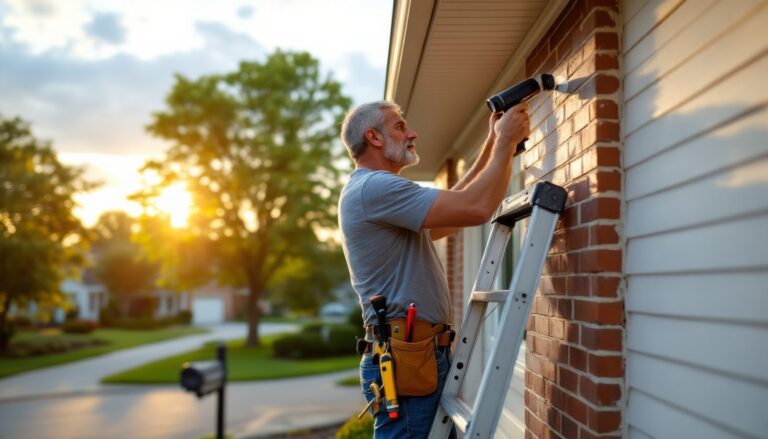
Installation is genuinely simple, much simpler than hardwired or WiFi-dependent systems. Start by choosing a mount: pole, wall bracket, soffit, or gutter clip, depending on your angle needs and the camera’s weight (most are under 12 ounces). Orientation matters: position the solar panel to face south (in the Northern Hemisphere) and clear of shadows from trees, gutters, or overhangs. Even partial shade reduces panel efficiency by 30–50%.
Secure the mount with the provided fasteners, typically stainless steel bolts or heavy-duty adhesive strips for temporary placements. Don’t skip this step: wind and vibration are real hazards. Insert a microSD card (64–128 GB recommended) and a SIM card from your cellular carrier. Download the manufacturer’s app, power on the camera, and follow the onboarding wizard to connect to your cellular network and create cloud account credentials.
Set your motion detection sensitivity and recording mode (continuous, motion-triggered, or schedule-based), then confirm live view on your phone. The whole process takes 15–20 minutes. No IT knowledge required.
Placement Considerations
Think about sight lines and coverage zones. Aim the camera at high-value areas, driveway approach, back fence, garage side. Avoid pointing directly at bright light sources (sun, streetlights) to prevent glare washout. Height matters: 8–10 feet gives a wide angle without being so high that facial recognition becomes unreliable.
For true wireless operation, confirm cellular signal strength at your target spot. Use a cell signal checker app or ask your carrier’s support team. Weak signal (below 2 bars) may cause lagging or frequent dropouts. If cellular coverage is absent, solar cameras won’t help, you’d need WiFi or a cellular booster, which defeats the “wire-free” advantage.
Consider weather exposure. Most solar cameras are rated IP65 or IP67 (dust and water resistant), but direct spray from a garden hose or mounting in a gutter trap will degrade seals over time. Keep the solar panel clean (dust, pollen, and bird droppings block light). A quick wipe with a soft cloth monthly preserves charging efficiency. Recent reviews on best home security cameras stress that placement planning prevents regrets later.
Comparing Top Features to Look For
When evaluating solar cellular cameras, prioritize resolution and night vision. 1080p is the baseline: some models jump to 2K. Night vision quality is critical because battery drain from infrared LEDs is significant, good designs use passive IR illumination or rely on ambient light sensitivity. Look for models offering at least 15–30 feet of visible night range.
Battery capacity and solar wattage determine real-world runtime. A 7,000 mAh battery with a 3-watt solar panel handles moderate use in temperate climates: users in cloudier regions or far north should lean toward larger panels or external solar chargers for backup. Check manufacturer runtime specs under realistic conditions (motion alerts every 30 minutes, night recording) rather than marketing claims.
Cellular carrier compatibility is non-negotiable. Some cameras lock you into one carrier (usually AT&T or Verizon): others support multi-carrier eSIMs, giving flexibility if coverage changes. Ask whether the plan includes data rollover or throttling after a data cap.
Audio and motion detection vary widely. Two-way talk is useful but battery-hungry. Passive infrared motion sensors (PIR) are efficient: video-based AI detection consumes more power but false-alarm rates drop. Storage options matter too: local microSD recording continues even if cellular drops, while cloud-only setups depend on constant connection.
Reputable sources like Good Housekeeping’s wireless outdoor security camera roundup highlight solar models, and CNET provides full-length reviews comparing battery performance and cellular reliability. Today’s Homeowner offers practical installation checklists that complement manufacturer instructions.
Conclusion
Solar cellular security cameras deliver genuine freedom from cables, outlets, and WiFi dependency. For remote monitoring, rental properties, or areas without internet infrastructure, they’re practical solutions backed by solid battery and charging technology. Install one correctly, mount it for sunlight and cellular signal, and it’ll run reliably for years with minimal upkeep. This is smart home security done the simple way.